The Rhythm in the Rain
The lobby of The View Hospital was bright, polished, and humming with its usual controlled efficiency. You walked in expecting a straightforward afternoon, just another hydro physiotherapy session, another step in the routine of pushing forward. But your body had a different plan.
As you walked toward the desk, a faint wave of dizziness washed over you, subtle at first, like stepping onto a deck floating on water. Listening to your body, you detoured to the vitals department to get checked.
144/71.
Even with your blood pressure medication already onboard, the numbers were stubbornly creeping up. You decided to push through to the rehabilitation department, hoping the feeling would pass. But as you met your physical therapist, the lightheadedness deepened, pulling the room slightly out of focus. You requested another check. A nurse rolled the monitor over, wrapped the cuff around your arm, and pressed start.
155/80.
"We need to cancel today’s session," they said softly. There was no point in pushing through a storm that was clearly gathering momentum. You agreed, electing to head straight to your cardiologist instead.
Taking the elevator up to the 8th floor, you registered and took a seat in the waiting area. That’s when the chill set in. It hit you not as a simple draft, but as a deep, shivering cold - the kind that makes the air feel sharp, as if the room had suddenly turned into a morgue. Your body was in full fight-or-flight, the internal pressure rising.
The nurses checked your vitals again.
209/90.They re-checked immediately to be sure.
210/91.
Outside, the world went on in its usual cadence. Inside, under the weight of the blanket, you faced a choice: battle the fear of the numbers, or find a way to quiet the mind beneath them.
The numbers flickered on the screen like a warning signal. The team moved swiftly, guiding you into a private room. They clicked off the air conditioning, wrapped you in a heavy blanket, and brought the room to a quiet, still warmth.
"Try to focus on the view outside," someone advised gently, pointing toward the window.
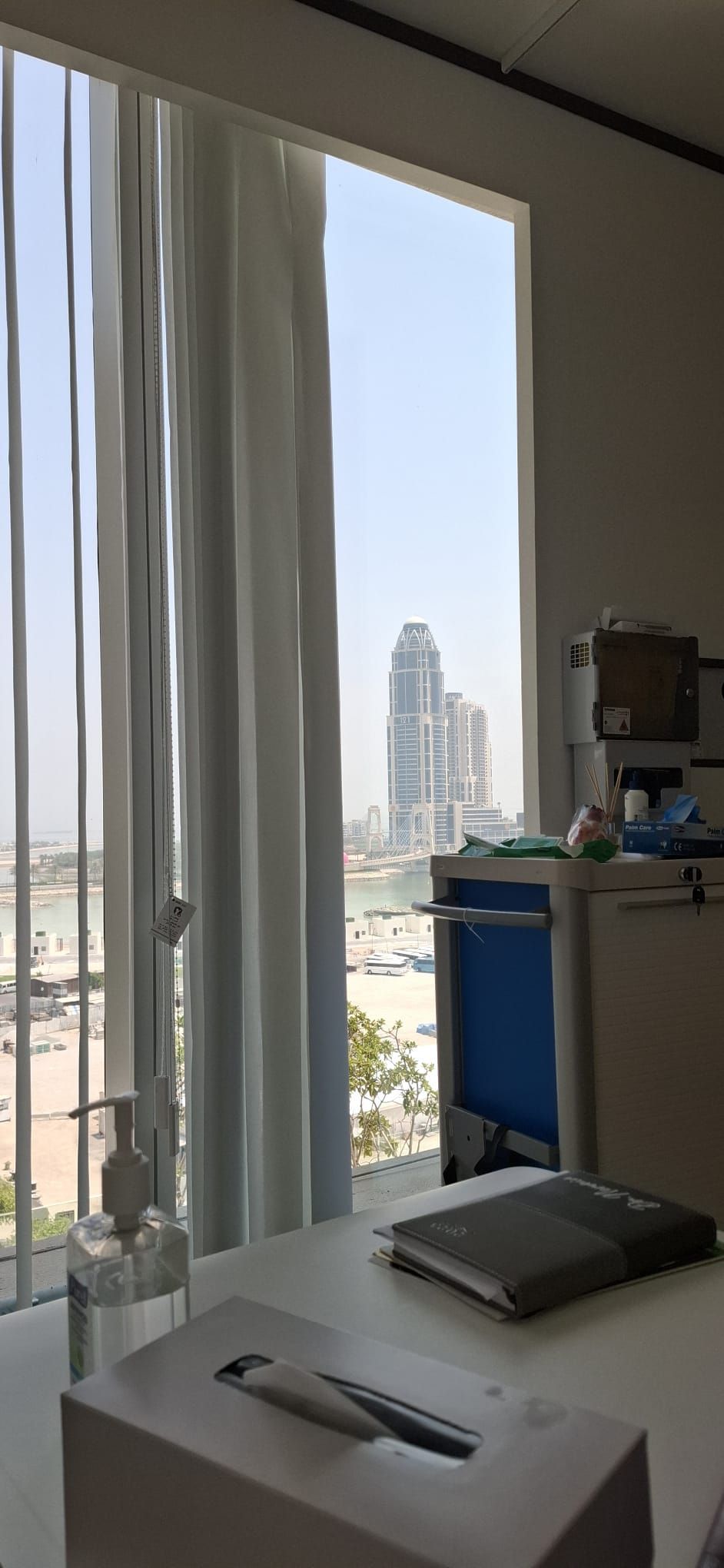
You closed your eyes. You began to breathe - slow, deliberate inhalations, steady exhalations. You let the warmth of the blanket work its way into your skin, consciously letting go of the tension in your shoulders and hands. For twenty minutes, you stayed in that quiet space, letting the adrenaline ebb away until the bitter cold in your fingers faded, replaced by returning circulation.
By the time you saw your cardiologist, the peak of the wave had passed. He evaluated the situation, prescribed an additional beta-blocker to help manage the spikes, and took your blood pressure periodically while reinforcing the simplest, hardest instruction: keep breathing, keep calming down.
Slowly, the monitor reflected the quiet you were cultivating inside: 138/80.
Life rarely offers smooth sailing, and health journeys are seldom linear. The storm had rolled in unexpectedly, threatening to derail the day entirely. But as you finally made your way back home, settled into your own space, and relaxed into the evening, the truth of the day became clear. You hadn't controlled the sudden spike or forced the weather to change - you had simply learned how to breathe through it, finding your rhythm right in the middle of the rain.